
CARE
〰️
CURE
〰️
HEALTH
〰️
CARE 〰️ CURE 〰️ HEALTH 〰️
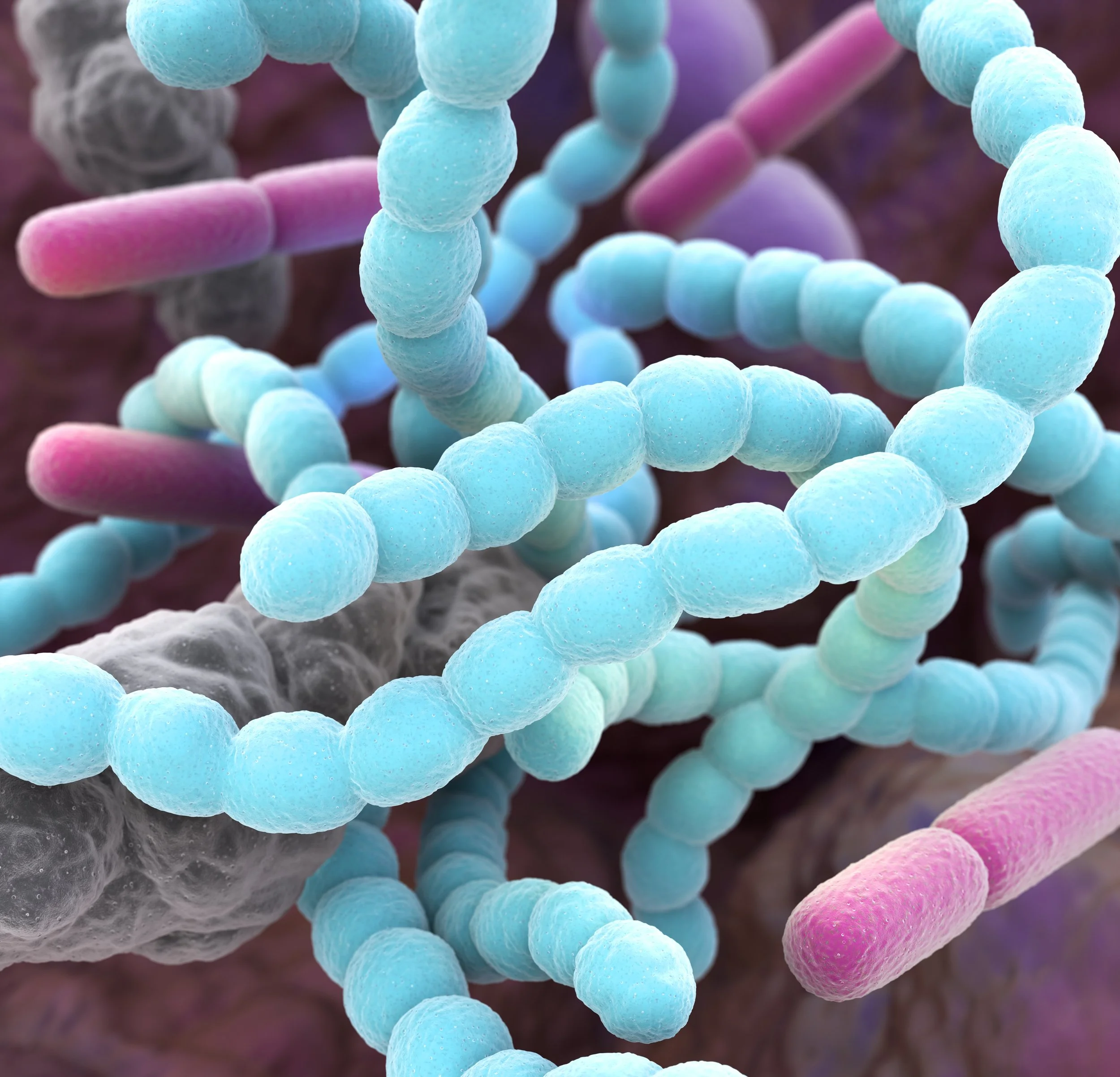
The Role of the Gut Microbiome in Feed Efficiency of Livestock
The Role of the Gut Microbiome in Feed Efficiency of Livestock
Abstract
Feed efficiency is a critical determinant of productivity and sustainability in livestock production. Recent advances in microbiome research have revealed the important role of gut microbial communities in nutrient digestion, metabolism, and host health. This article reviews the relationship between gut microbiota composition and feed efficiency and highlights emerging strategies to manipulate microbial populations to improve animal performance.
The Role of the Gut Microbiome in Feed Efficiency of Livestock
Introduction
Feed accounts for up to 70% of total livestock production costs, making feed efficiency a key factor in economic and environmental sustainability. Traditionally, improvements in feed efficiency have relied on genetics, feed formulation, and management practices. However, growing evidence suggests that the gut microbiome plays a central role in determining nutrient utilization and metabolic efficiency.
The gut microbiome consists of complex microbial communities that influence digestion, immune function, and energy metabolism.
Microbiome Composition and Feed Efficiency
Studies using metagenomic sequencing have demonstrated that animals with higher feed efficiency often exhibit distinct microbial profiles compared with less efficient animals.
Key findings include:
Increased abundance of fiber-degrading bacteria
Enhanced production of short-chain fatty acids (SCFAs)
Improved nitrogen utilization
In poultry, microbial diversity has been linked to improved growth performance and nutrient digestibility.
Microbial Modulation Strategies
Probiotics
Probiotics introduce beneficial bacteria that improve gut health and nutrient absorption.
Prebiotics
Prebiotics are non-digestible compounds that stimulate the growth of beneficial microbes.
Synbiotics and Postbiotics
Combinations of probiotics and prebiotics, as well as microbial metabolites, are increasingly studied for their potential to enhance feed efficiency.
Microbiome Engineering
Advanced approaches such as microbiome transplantation and targeted microbial modulation are emerging research areas.
Future Research Directions
Key research priorities include:
Identification of microbial biomarkers for feed efficiency
Integration of microbiome data with host genomics
Development of microbiome-based feed additives
Conclusion
Understanding the relationship between gut microbiota and feed efficiency offers new opportunities for improving livestock productivity and sustainability. Future research combining microbiology, nutrition, and genomics will likely lead to innovative feeding strategies.