
CARE
〰️
CURE
〰️
HEALTH
〰️
CARE 〰️ CURE 〰️ HEALTH 〰️
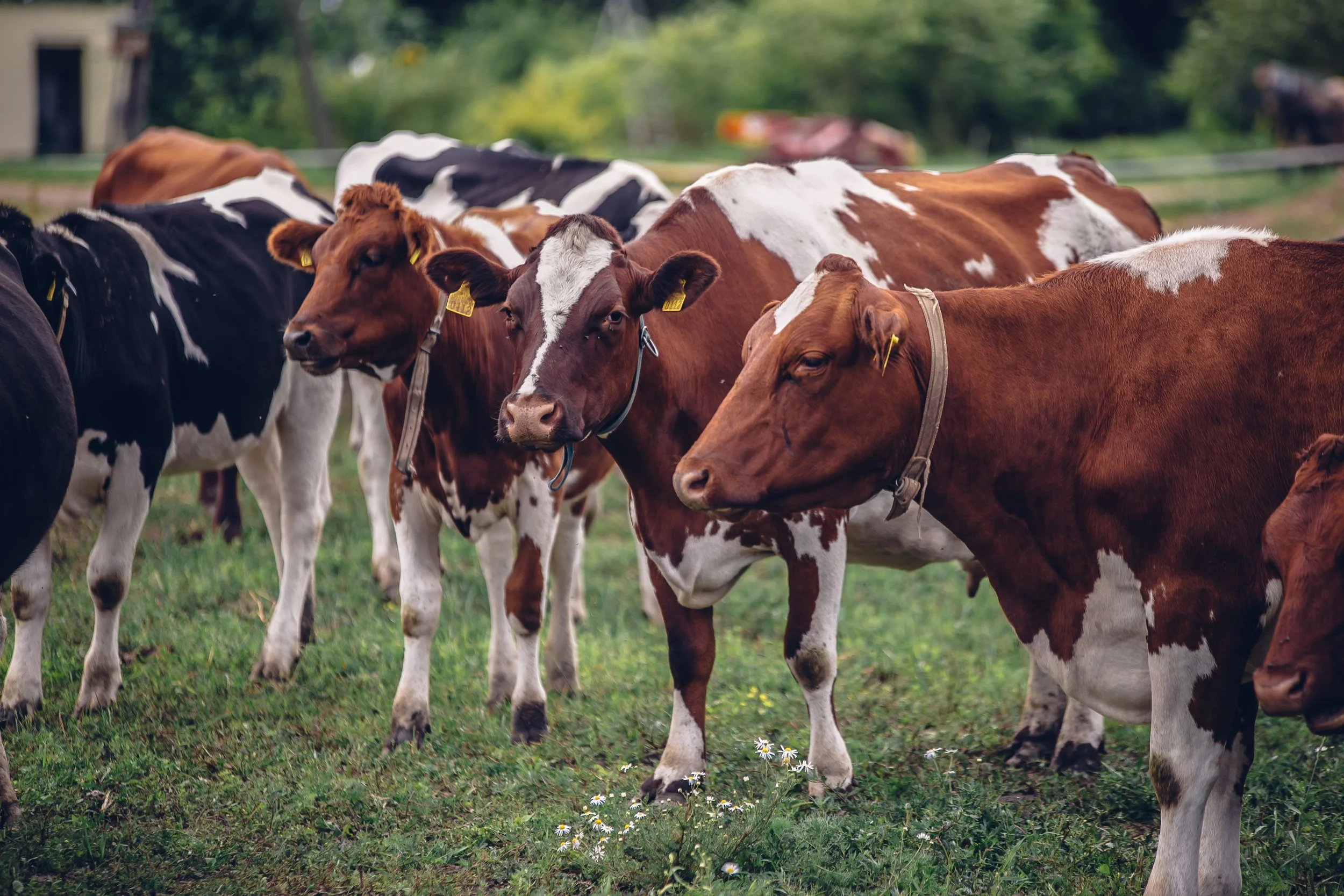
Feed-Based Strategies for Methane Mitigation in Ruminants
Feed-Based Strategies for Methane Mitigation in Ruminants
Abstract
Methane emissions from ruminant livestock represent a major contributor to agricultural greenhouse gas emissions and a significant loss of dietary energy. Feed-based mitigation strategies have emerged as promising approaches to reduce enteric methane production while maintaining animal productivity. This review summarizes recent advances in dietary interventions, including chemical inhibitors, plant-based additives, lipids, and macroalgae, and discusses their mechanisms of action and potential for practical application in sustainable livestock systems.
Feed-Based Strategies for Methane Mitigation in Ruminants
Introduction
Livestock production is responsible for approximately 14–18% of global anthropogenic greenhouse gas emissions, with enteric methane from ruminants being a major contributor. Methane is produced during rumen fermentation by methanogenic archaea that utilize hydrogen and carbon dioxide. Because methane production represents an energy loss of up to 12% of gross energy intake, reducing methane emissions may simultaneously improve feed efficiency.
Feed-based mitigation strategies have gained attention because they are relatively easy to implement compared with genetic or management interventions.
Feed Additives for Methane Reduction
Chemical Inhibitors
One of the most studied compounds is 3-nitrooxypropanol (3-NOP), which inhibits methyl-coenzyme M reductase, a key enzyme in methanogenesis. Studies have shown methane reductions of 20–40% without negative impacts on milk yield or feed intake.
Plant Secondary Metabolites
Plant-derived compounds such as tannins, saponins, and essential oils can modify rumen microbial populations and reduce methane formation. Tannins, for example, can inhibit methanogenic archaea and decrease hydrogen availability.
Lipid Supplementation
Adding lipids such as vegetable oils or oilseeds can reduce methane emissions through several mechanisms, including reduced fiber digestion and direct inhibition of methanogens.
Macroalgae
Marine macroalgae, particularly Asparagopsis spp., contain bioactive compounds such as bromoform that significantly inhibit methane production. Reductions of up to 80% have been reported under experimental conditions, although issues related to scalability, safety, and regulatory approval remain.
Challenges and Future Perspectives
Despite promising results, several challenges remain:
Consistency of methane reduction across production systems
Long-term animal health effects
Economic feasibility
Regulatory acceptance
Future research should focus on combining multiple mitigation strategies and integrating feed interventions with precision livestock systems.
Conclusion
Feed-based methane mitigation strategies represent a promising pathway toward more sustainable ruminant production. Continued research is required to optimize additive combinations, ensure safety, and evaluate long-term impacts on animal performance and environmental sustainability.