
CARE
〰️
CURE
〰️
HEALTH
〰️
CARE 〰️ CURE 〰️ HEALTH 〰️
Alternative Protein Sources in Sustainable Animal Nutrition
Alternative Protein Sources in Sustainable Animal Nutrition
Abstract
The increasing demand for animal protein and the environmental limitations of conventional feed ingredients such as soybean meal and fishmeal have stimulated interest in alternative protein sources. Insects, microalgae, and single-cell proteins have emerged as promising sustainable feed ingredients. This article reviews their nutritional characteristics, production potential, and challenges associated with their use in animal nutrition.
Alternative Protein Sources in Sustainable Animal Nutrition
Introduction
Global livestock production continues to expand, increasing the demand for high-quality protein feed ingredients. Traditional protein sources face sustainability challenges, including land use, deforestation, and competition with human food production. Therefore, alternative protein sources are being explored to support sustainable feed systems.
Among the most promising alternatives are insects, microalgae, and microbial proteins.
Insect Protein
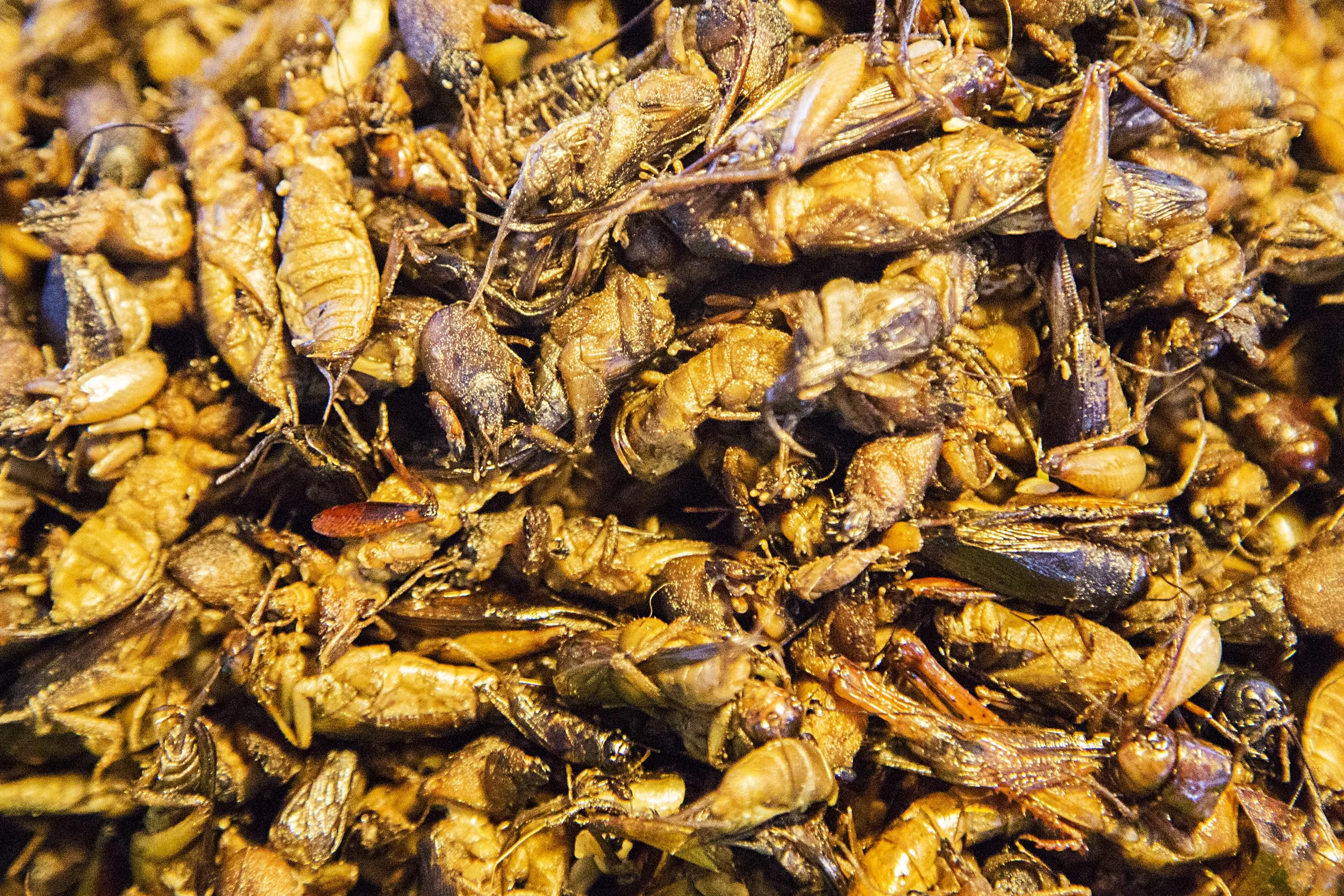
Insects such as black soldier fly larvae (Hermetia illucens) BSF and mealworms contain high levels of protein (40–60%) and essential amino acids. Insect meal has been successfully used in poultry, aquaculture, and swine diets.
Advantages include:
Efficient feed conversion
Ability to utilize organic waste streams
Lower environmental footprint compared with conventional protein sources
Microalgae
Microalgae such as Spirulina and Chlorella contain high levels of protein, essential fatty acids, vitamins, and pigments. In animal diets, algae can improve growth performance and product quality.
However, large-scale production costs remain a major limitation.
Single-Cell Protein
Single-cell proteins (SCP) are derived from microorganisms such as bacteria, yeast, and fungi. These proteins can be produced through fermentation processes using renewable substrates.
SCP offers several advantages:
High protein yield
Controlled production conditions
Reduced dependence on agricultural land
Challenges and Future Outlook
Despite their potential, alternative protein sources face several challenges:
Regulatory approval
Production scalability
Cost competitiveness
Consumer acceptance
Continued technological innovation and improvements in processing methods are expected to enhance the feasibility of these ingredients.
Conclusion
Alternative protein sources represent a key component of sustainable animal nutrition. Insects, algae, and microbial proteins have significant potential to reduce environmental impacts while supporting the growing demand for livestock production.